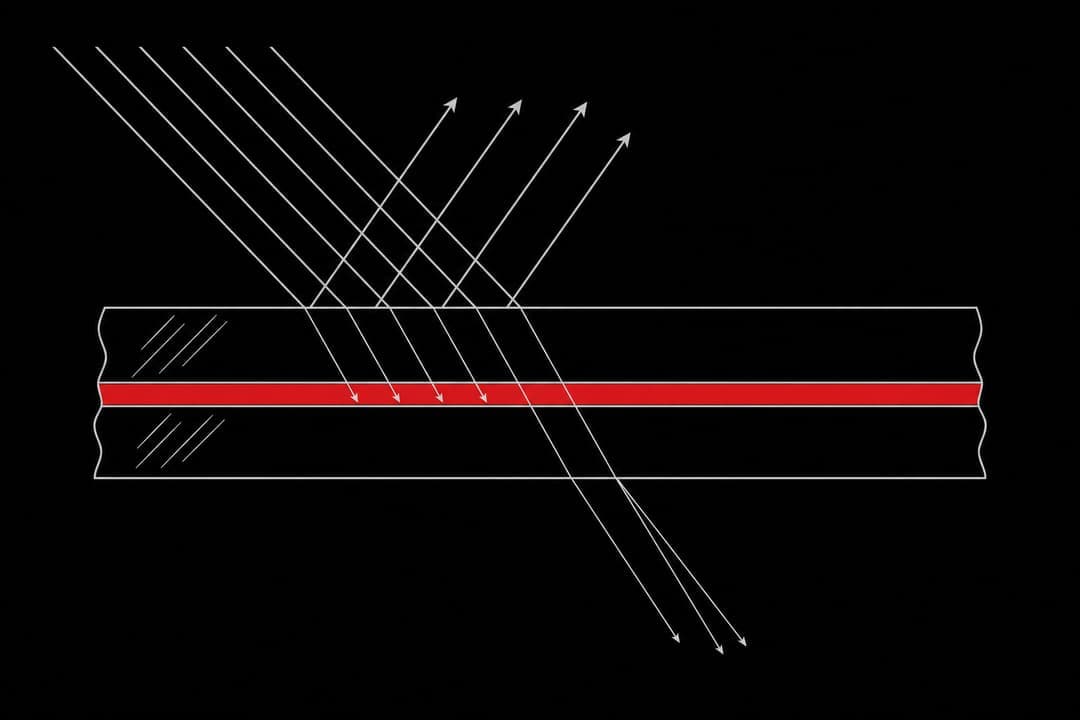
That light green or blue hue in your windshield? That's solar tinted glass — a tint mixed into the glass itself at the factory, designed to knock down some solar energy before it enters the cabin. It helps. It's also nowhere near the whole answer, especially in South Florida.
What factory solar glass actually does
Automakers add metal oxides to the glass melt, which absorb a slice of infrared energy and UV. Windshields get the most attention (often laminated with a UV-blocking interlayer); side glass usually gets less. The result: modest heat reduction, meaningful but incomplete UV blocking, and a faint tint that satisfies glare rules worldwide.
Where it falls short
- Heat: absorbing glass re-radiates much of what it catches — into the cabin you're sitting in
- UV: side glass typically passes far more UVA than a windshield; your left arm knows this
- Privacy and glare: factory hue is cosmetic at best
- Interior protection: dashes and leather still fade behind untreated glass
Solar glass + ceramic film: the actual solution
Factory solar glass and aftermarket ceramic film aren't competitors — they stack. XPEL Prime XR Plus rejects infrared heat instead of absorbing it, blocks 99%+ of UV (SPF 1,000), and adds the shade and privacy factory glass never attempts. On a Florida car, the combination is what makes a black-leather interior livable in August.
One caution: if your car has solar or athermic glass with embedded metallics, tell your installer — it can affect film choice. Bring us the car; we check before we spec.