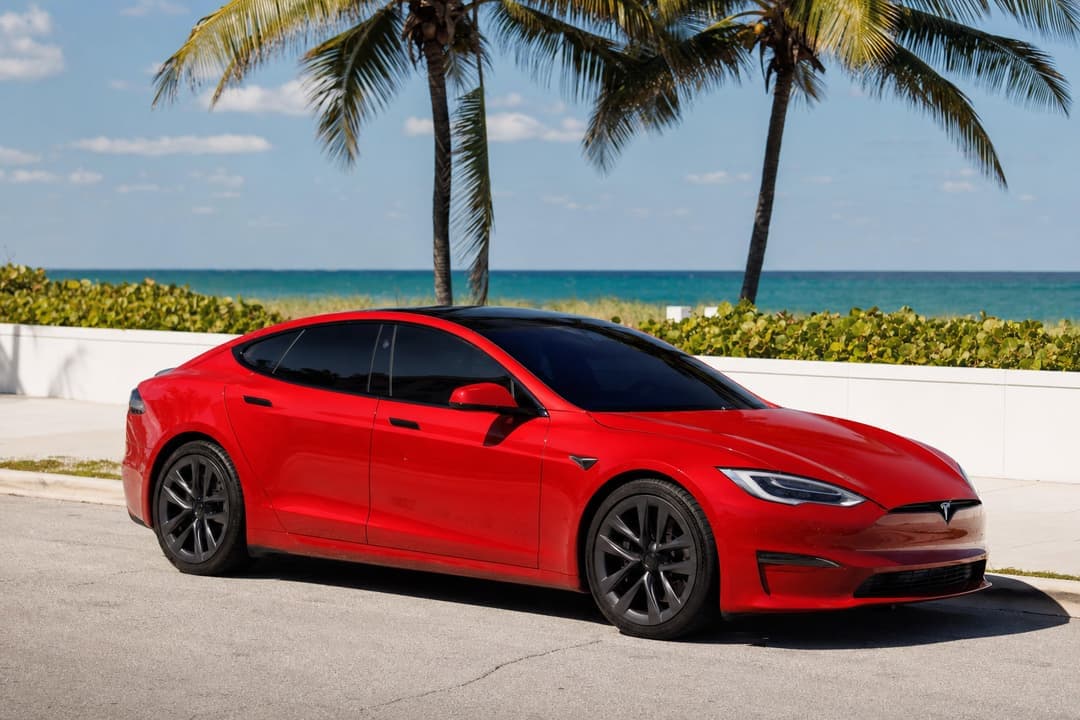
Short answer: 3M Crystalline is a genuinely excellent film — multilayer optical technology, serious heat rejection at light shades, and 3M's name behind it. We've installed plenty of it over two decades. The real question isn't whether Crystalline is good; it's whether it's the best value in its class today.
What Crystalline does well
Crystalline's party trick is heat rejection at very light shades — its multilayer film (200+ microscopic layers) rejects a large share of solar energy even in barely-tinted versions. If you want maximum heat control with minimum darkness — or your HOA/lease frowns on dark glass — it's a legitimate choice. It's also metal-free, so no signal interference.
Where the comparison gets interesting
Nano-ceramic films closed the gap. XPEL Prime XR Plus delivers comparable infrared rejection, the same signal-safe construction, SPF 1,000 UV blocking, and a lifetime transferable warranty — typically at a friendlier price point. In back-to-back Florida summers, our customers can't tell the two apart by feel; their wallets usually can.
The honest deciding factors:
- Brand preference — some buyers simply want 3M on the invoice; that's valid
- Ultra-light installs — Crystalline's light-shade heat numbers remain its signature
- Overall value — XR Plus matches real-world performance with a stronger warranty story
- Installer skill — either film fails under a careless squeegee; the hands matter more than the box
Our recommendation
If you come to us set on Crystalline, you'll get no argument — it's a fine film. If you come asking what we'd put on our own cars in Boca Raton heat, it's XPEL Prime XR Plus: equal comfort, lifetime warranty, better price. Either way, insist on a certified installer and a written warranty.