A scratch on your car costs anywhere from nothing to fix yourself to several thousand dollars at a body shop — and the difference comes down to how deep it goes. After 25 years of looking at damaged paint in our Boca Raton bays, here's the honest breakdown.
The three kinds of scratches
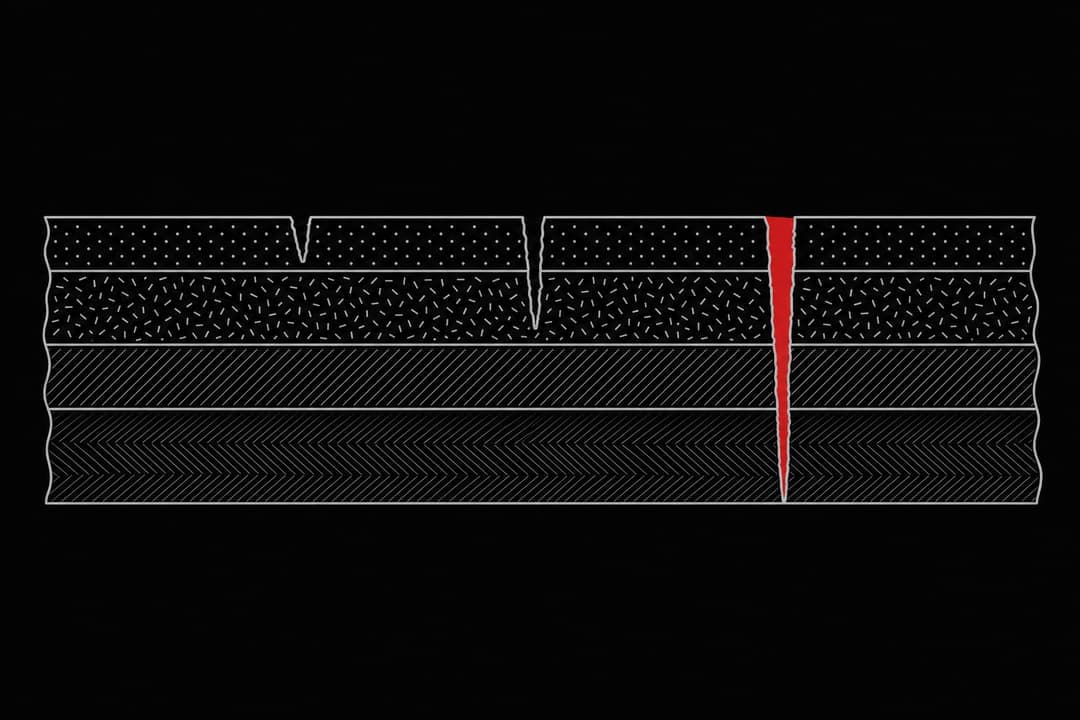
Every scratch lives in one of three layers, and the layer decides the price.
- Clear-coat scratches — the shallow ones that catch your fingernail slightly or not at all. Often polishable. Professional correction typically runs $150–$500 depending on how much of the car needs machine work.
- Base-coat (color) scratches — you can see primer-grey or a color change in the groove. These need paint, not polish. Expect $400–$1,000 per panel at a quality shop.
- Primer/metal scratches — deep gouges that reach bare substrate. Full panel respray territory: $800–$1,500 per panel, and $2,500–$3,500+ when blending across multiple panels on premium finishes.
Why luxury and exotic paint costs more
Those ranges assume ordinary factory paint. Tri-coat pearls, matte finishes, and factory specialty colors (think Porsche PTS or Lamborghini Ad Personam) can double or triple the number, because color-matching them is a craft of its own and matte can't be spot-repaired at all — the whole panel gets refinished.
That's the quiet reason a $300 scratch on a Camry becomes a $2,000 scratch on a 911.
The math that changes the conversation
Here's what we tell customers who come in with their second or third scratch: repair is a cost you pay every time, protection is a cost you pay once.
Self-healing paint protection film absorbs the scratches, swirls, and rock chips that would otherwise become repair bills — light damage literally disappears from the film with heat, and the film itself carries up to a 10-year warranty. One full-front installation costs about the same as one good multi-panel respray, and then keeps taking hits for a decade.
In South Florida specifically — sandy roads, I-95 debris, parking-lot density — the question is rarely if the paint gets hit, only when.
What to do with the scratch you have now
Run a fingernail across it. If it doesn't catch, try a dedicated scratch remover before paying anyone. If it catches or shows color, get two quotes: one from a body shop, and one from a paint-correction specialist — for clear-coat damage the specialist is usually faster, cheaper, and finishes better.
And once the paint is right again, that's the perfect moment to protect it — film goes over corrected paint, locking in the finish you just paid for.