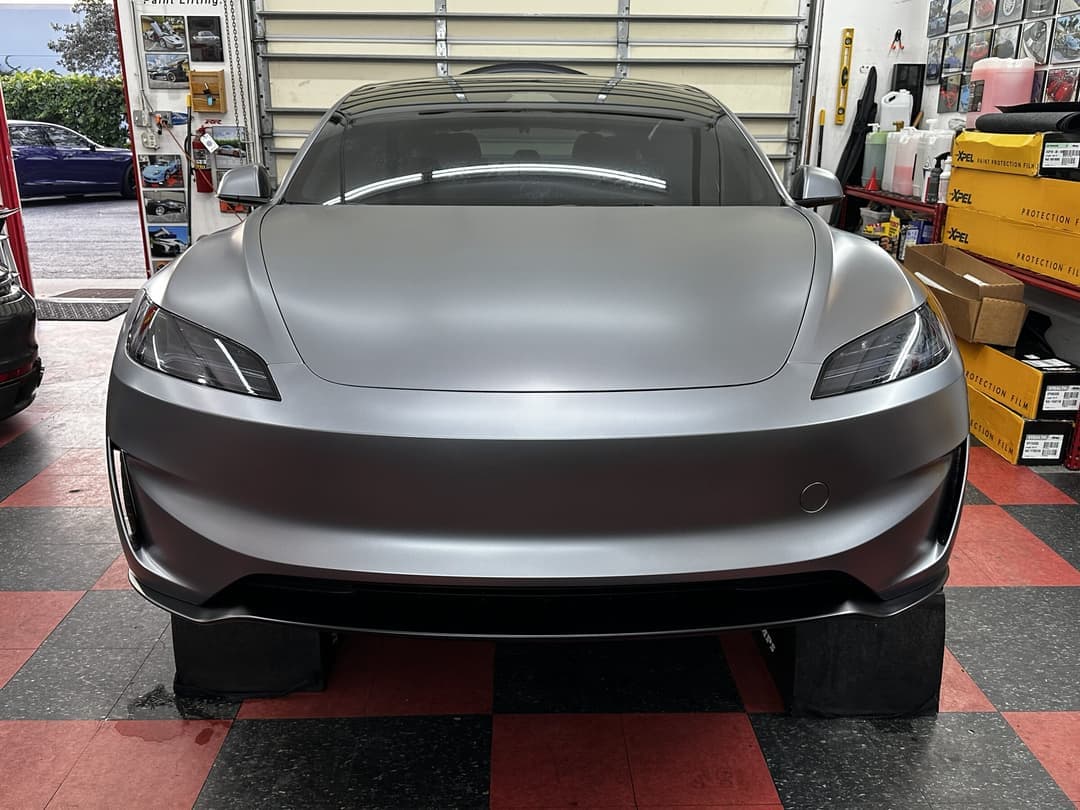
Matte is having a permanent moment — and there are now three ways to get it: a matte vinyl wrap, a factory or custom matte paint job, or matte paint protection film. They look similar from ten feet. They live very different lives.
Matte paint: beautiful, unforgiving
A quality matte respray is the most expensive path by far, and matte paint carries a secret: it cannot be polished. Every scratch, swirl, or etched bird dropping is there for good — spot repair is impossible because polishing creates shine. Factory matte cars come with pages of care warnings for exactly this reason. Gorgeous, permanent, fragile.
Matte wrap: the flexible middle
A premium matte vinyl wrap delivers the look at a fraction of respray cost, protects the original paint underneath, and comes off cleanly when you're ready for the next thing — which also preserves resale value, since the factory finish rides along untouched underneath. Lifespan in Florida sun: realistically 3–5 years for quality cast film with decent care.
The third option most people don't know: matte PPF
XPEL Stealth is satin-matte paint protection film — the matte look with PPF's substance. It self-heals light scratches with heat, shrugs off rock chips, carries up to a 10-year warranty, and is the only sane way to protect a factory matte car (see: cannot be polished, above).
- Want matte on a gloss car, maybe not forever → matte vinyl wrap
- Own factory matte paint → Stealth PPF; it's protection, not preference
- Want matte for the long haul with real protection → Stealth full body
- Committed to paint → budget double, then read the care sheet twice