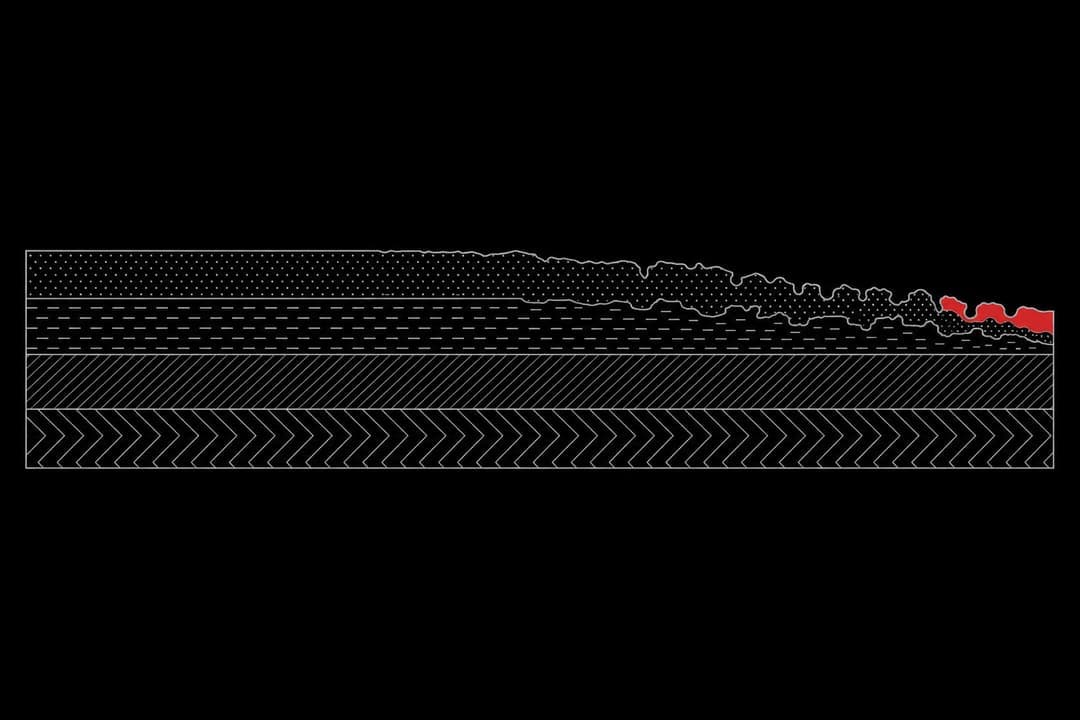
The short answer. Quality paint protection film carries a 10-year manufacturer warranty, and in Boca Raton it holds its looks for about 5 to 7 years. Those are two different numbers and almost nobody explains the gap. The warranty covers the film failing as a product. Cosmetic life is how long it keeps looking like it was installed yesterday. In South Florida, with UV at the top of the scale and salt in the air year round, cosmetic life runs shorter than the brochure implies.
The 10-year warranty versus the 5 to 7 year cosmetic life
Every PPF page online says 10 years, because that is the warranty term. What the warranty promises is that the film will not yellow, crack, blister, or delaminate as a manufacturing defect. It does not promise the film will look new in year nine.
Structural life is the film still doing its job: absorbing chips, sealed at the edges, protecting paint. That genuinely runs the full warranty period on a good install. Cosmetic life is the topcoat still reading crystal clear with no visible edges or haze, and in Boca that is usually 5 to 7 years on an outdoor-parked daily driver. A 911 that lives in a Boca West garage and sees 3,000 miles a year can look flawless at year nine. A Model Y in a Mizner Park surface lot that runs I-95 twice a day will not.
What actually ages PPF in South Florida
Three of those five concentrate at the edges. That is the pattern. In this market film almost never fails in the middle of a panel. It fails where it terminates.
- UV at index 10 to 11. Boca summer peaks at 11, the extreme ceiling of the EPA UV index scale. Real film is UV-stabilized and does not amber, but sustained exposure is still the biggest driver of topcoat aging.
- Love bug acid. May and September swarms leave acidic residue. On film it sits on the topcoat instead of etching clear coat, which is the point. Left baking a week in August, it can leave a faint ghost even on good film.
- Salt aerosol. Drive A1A or park east of Federal Highway and salt is on the car constantly. It does not dissolve film, but it collects at edges and in panel gaps, and that is where jobs fail first.
- Heat soak. A dark hood in an August lot gets extremely hot. That helps the film self-heal. Sustained thermal cycling also works the edge adhesive over years, which does not help.
- Automatic car wash brushes. The fastest way to age film in any climate. Brushes drag grit across the surface and hammer the edges.
What the warranty covers, and what it does not
XPEL warrants Ultimate Plus for 10 years from installation against yellowing, cracking, blistering, and delaminating. It applies only to professionally installed film and it is transferable. Suntek Ultra carries a 10-year limited warranty and Suntek Reaction carries 12, the longest term in the category. 3M Scotchgard Pro Series carries 10 years. Terms change, so confirm against XPEL's current warranty information at the time you buy.
Here is the part that surprises people. None of these warranties cover the film doing its job. Road debris impact, accidents, and normal wear and tear are excluded across the board. If a rock off I-95 takes a divot out of your bumper film in year three, that is not a warranty claim. That is the film working as intended.
So what does yellowing coverage mean in year 6? If the film has genuinely ambered as a material defect, the manufacturer covers removal and replacement. It does not cover a topcoat that has gradually lost gloss over six Florida summers, which is normal aging, not defect. The warranty also has to be registered with the manufacturer in your name, not tracked on a shop's spreadsheet, or a year-six claim gets difficult.
The year-by-year Florida PPF timeline
Years 1 to 2
The film is invisible and doing everything right. Light wash swirls self-heal in Boca heat within a day or two. Nothing needed except normal washing and prompt love bug removal.
Years 3 to 4
The first inspection window. The film still looks excellent, but this is when a marginal install starts to show. Look for early edge lift on the leading hood edge and the front bumper corners. Caught here, a single panel gets re-laid cheaply. Ignored, water and salt get underneath and you lose the panel.
Years 5 to 6
Edges begin to telegraph on high-friction panels. You see a faint line where the film terminates, some staining at the seams, and a slight gloss difference between the filmed front clip and unfilmed rear panels. On a daily-driven Boca car this is the normal end of the honeymoon. The film is still protecting. It just no longer disappears.
Years 7 to 10
Now it is a cosmetic decision, not a protection decision. The film still absorbs chips. If you are selling within a year, leave it and transfer the warranty. If you are keeping the car, plan a replacement. Past year 10 we recommend removal, because very old film gets harder to remove cleanly, and that is the one scenario where film can genuinely cost you paint.
Your annual PPF inspection, step by step
Do this once a year, ideally after love bug season in October. Fifteen minutes in your driveway.
Bring the photos in and we will tell you honestly whether it is a wash issue, a one-panel repair, or a replacement. Get your quote from Auto SuperShield or call the shop at (561) 367-0101.
How to make your PPF last longer here
- Wash every two weeks with a pH-neutral shampoo. In salt-air neighborhoods, weekly. Skip anything marketed as wax-infused or gloss-boosting.
- Get love bugs off within 24 hours. Soak, let it dwell, wipe with light pressure. Do not scrub.
- Add a ceramic topcoat over the film. It makes the surface slicker so bugs and salt release faster, and it takes the UV hit first. XPEL Ultimate Fusion has ceramic bonded in from the factory, and our ceramic coating service covers coating over existing film.
- Park covered when you can. A garage or carport meaningfully extends cosmetic life, and during hurricane season it keeps windborne debris off the car.
- Never use a brush wash. Touchless or hand wash. Keep pressure washer nozzles away from edges and hit seams at an angle.
- Decontaminate twice a year to pull embedded contaminants out of the topcoat. Our auto detailing service handles this.
Signs your PPF is done
- Edge lift or peel. An edge you can catch with a fingernail. Not cosmetic, and it gets worse fast in this humidity.
- Yellow cast under LED light. Look at a filmed panel next to an unfilmed one in the garage. A genuine amber tint is a warranty conversation.
- Cloudy topcoat that will not polish out. Haze from UV and abrasion is in the topcoat, not on it. If a light polish does not clear it, cosmetic life is over.
- A chip through to paint. The film was breached and the paint underneath is exposed. Address that panel now.
- Staining at every seam. Contamination that has worked under the edges and will not come out.
What replacement costs in 2026
Replacement means the old film off, the paint decontaminated and polished, and new film on. Removal is real labor, and film that has baked for a decade takes longer, so budget for it separately.
Prices vary by vehicle and final pricing requires an in-person inspection. Single-panel replacement is often the smarter move, especially on a front bumper that absorbed most of the damage. Our PPF cost guide for Boca Raton goes deeper, and the paint protection film page covers coverage tiers.
- Partial front: from $1,200 for new film.
- Full front: from $1,795.
- Track pack: from $2,500.
- Full body: from $4,995.
- Removal of old film: typically a few hundred dollars on a partial front, more on a full body, depending on age and how the original was installed.
Our take at Auto SuperShield
Our take: plan on 5 to 7 years of film that disappears and 10 years of film that protects, and stop treating those as one number. Inspect at year three, expect edges at year six, decide at year eight. That framing has never disappointed a customer, whereas "it lasts 10 years" has disappointed plenty.
The install decides most of this. Wrapped, tucked edges with correct prep will still look right in year six here. Every edge trimmed flat on the panel will be lifting by year three no matter which brand is on it. XPEL Ultimate Premium and XPEL Stealth both hold up well in this climate, but ask harder questions about edges than about brands.
Frequently asked questions
Does PPF actually last 10 years in Florida?
Structurally, yes. A quality film on a good install still absorbs chips and protects paint through the full 10-year warranty period. Cosmetically, expect about 5 to 7 years on an outdoor-parked daily driver in Boca Raton before edges start to telegraph and gloss softens. Garage-kept low-mileage cars often look excellent at year nine.
Will my PPF yellow?
Quality film from XPEL, Suntek, or 3M is UV-stabilized and warranted against yellowing for at least 10 years, and we rarely see genuine ambering on branded film. Where we do see it is on unbranded or PVC-based film. If a filmed panel reads amber next to an unfilmed one under LED light, that is a warranty conversation.
Can I extend the life of PPF with a ceramic coating on top?
Yes, and it is one of the better investments you can make here. A ceramic coating over film makes the surface slicker, so love bug residue and salt release faster and dwell less. It also takes the UV and contamination hit first. It does not add impact resistance, and it does not make the film last forever, but it meaningfully improves how the topcoat ages in South Florida.
Do I have to replace all of it, or just part?
Usually just part. Film wears unevenly, and the front bumper absorbs far more damage than the hood or fenders. Single-panel replacement is common and much cheaper than a full redo. The caveat is gloss matching: a new panel next to six-year-old film can show a slight difference, more noticeable on dark colors.
Does washing at a touchless car wash hurt PPF?
Touchless is fine and far better than a brush wash. Watch for the harsh detergents some tunnels use and high-pressure jets aimed straight at film edges. Automatic brush washes are the real problem, because the brushes drag grit across the surface and work the edges loose. Hand washing with a pH-neutral shampoo is still best.
Is the PPF warranty transferable if I sell the car?
XPEL's warranty is transferable, and a documented transferable warranty on a full front is a legitimate selling point. The requirement is that the film was professionally installed and registered with the manufacturer in your name. Confirm current terms, and hand the registration paperwork to the buyer with the car.
About the prices in this guide
Every figure in this guide is a ballpark for planning, not a quote. Prices for our own work start where they start and move with the vehicle, its paint or glass condition, and how much coverage you choose. Costs quoted for third-party work such as glass replacement or ADAS recalibration are general market ranges gathered for context, and those shops set their own prices, not us.
All of it is subject to change. For a real number on your car, get in touch and we will look at it properly before quoting. Estimates are free and there is no obligation.